On busy weekdays, I turn to my crockpot more often than I’d like to admit, especially when I need a warm, nourishing meal without the fuss. This split pea soup is a prime example—set it up in the morning, and by dinner, you’ve got a thick, velvety bowl that feels like a hug after a long day.
What makes this recipe stand out is how forgiving it is—no need to stir constantly or worry about it burning on the bottom. It’s practically foolproof, which is a blessing when chaos is reigning or you’re just too tired to fuss over dinner. Plus, the aroma that drifts through the house while it’s cooking? Pure comfort.
This soup isn’t just about convenience. It’s about making a healthy, budget-friendly meal that tastes like you put a lot of love into it, even if you didn’t spend hours in the kitchen. It’s the kind of dish that turns a simple bag of dried peas into something soulful and satisfying, no matter how rushed your day is.
Focusing on how this crockpot split pea soup can be a lifesaver for busy weekdays, transforming simple ingredients into a comforting, hands-off meal that cooks itself while you juggle the chaos of daily life.
The story behind this recipe
This recipe started as a way to use up dried peas that had been sitting in my pantry forever. I wanted something warm and filling that I could set and forget, especially on days when the kitchen felt like the last place I wanted to be. One rainy afternoon, I threw everything into the crockpot, and the smell that wafted through the house was the first hint that I was onto something good. Since then, it’s become a go-to comfort food, especially when I need a quick, hearty meal without the fuss.
Ingredients Breakdown
- Yellow split peas: I love how they break down into a creamy, comforting base that’s naturally hearty. If you prefer a chunkier texture, rinse and soak them less—less time in the cooker, more bite.
- Vegetable broth: I opt for homemade when I have time, but store-bought works fine. Look for low-sodium—more control over salt, less risk of that cloying flavor.
- Onion and garlic: These are the flavor backbone, filling the kitchen with a savory aroma. Sauté them first for a richer, sweeter depth—don’t skip this step if you can.
- Carrots and potatoes: They add gentle sweetness and body. For a more rustic feel, cube the potatoes slightly larger—more bite, less mush.
- Smoked ham or bacon (optional): I toss in a bit for smoky richness, but skip for a vegetarian version. The smoky aroma during cooking? Irresistible and warm.
- Herbs and spices: Bay leaves, thyme, and black pepper—think of them as the quiet heroes. Remove the bay leaves before serving; they’re not meant to be eaten.
- Salt and pepper: Season gradually—start with less, then adjust after the soup has cooked and flavors meld. Better to add in small doses than over-salt from the start.
Spotlight on key ingredients
Yellow split peas:
- I love how they break down into a creamy, comforting base that’s naturally hearty. If you prefer a chunkier texture, rinse and soak them less—less time in the cooker, more bite.
- Vegetable broth: I opt for homemade when I have time, but store-bought works fine. Look for low-sodium—more control over salt, less risk of that cloying flavor.
Onion and garlic:
- These are the flavor backbone, filling the kitchen with a savory aroma. Sauté them first for a richer, sweeter depth—don’t skip this step if you can.
- Carrots and potatoes: They add gentle sweetness and body. For a more rustic feel, cube the potatoes slightly larger—more bite, less mush.
Notes for ingredient swaps
- Vegetable broth: Use mushroom or chicken broth for a richer, deeper flavor instead of plain vegetable broth.
- Split peas: Lentils or canned beans can work in a pinch, but they won’t break down into that creamy texture.
- Smoked ham or bacon: Dried smoked paprika or chipotle powder can add smoky depth without meat, if you prefer vegetarian.
- Fresh herbs: Dried thyme or bay leaves are fine if fresh isn’t available, just use less and add earlier for flavor infusion.
- Onions and garlic: Leeks or shallots can replace onions for a milder, sweeter note, especially if you want a softer aroma.
- Potatoes: Sweet potatoes lend a subtle sweetness and vibrant color, making the soup a bit more hearty and visually appealing.
- Seasonings: A splash of apple cider vinegar or lemon juice at the end can brighten the flavors if you find it too dull or flat.
Equipment & Tools
- Crockpot: Main cooking vessel for slow simmering without fuss.
- Chef’s knife: Chopping vegetables and optional meat.
- Cutting board: Stable surface for prep work.
- Immersion blender: Pureeing the soup directly in the crockpot for a smooth finish.
- Measuring cups and spoons: Ensuring accurate broth and seasoning quantities.
Step-by-step guide to split pea soup
- Gather all ingredients and equipment. Chop onions, carrots, and potatoes into bite-sized pieces. Rinse split peas until the water runs clear.
- Set up your crockpot on the low setting. Place diced onions and garlic in the bottom for aroma.
- Add the rinsed split peas, chopped carrots, potatoes, and any optional smoked meat. Pour in vegetable broth until ingredients are just covered.
- Toss in bay leaves, thyme, and black pepper. Stir everything gently to combine. Cover with lid.
- Cook on low for 6–8 hours, or until peas are melting and vegetables are tender. Check once or twice to ensure there’s enough liquid; add more broth if necessary.
- Once cooked, remove bay leaves. For a creamier texture, use an immersion blender directly in the crockpot to puree part or all of the soup. Be cautious—hot steam can spatter.
- Taste and season with salt and pepper. If it’s too thick, stir in a splash of hot water or broth until it reaches your preferred consistency.
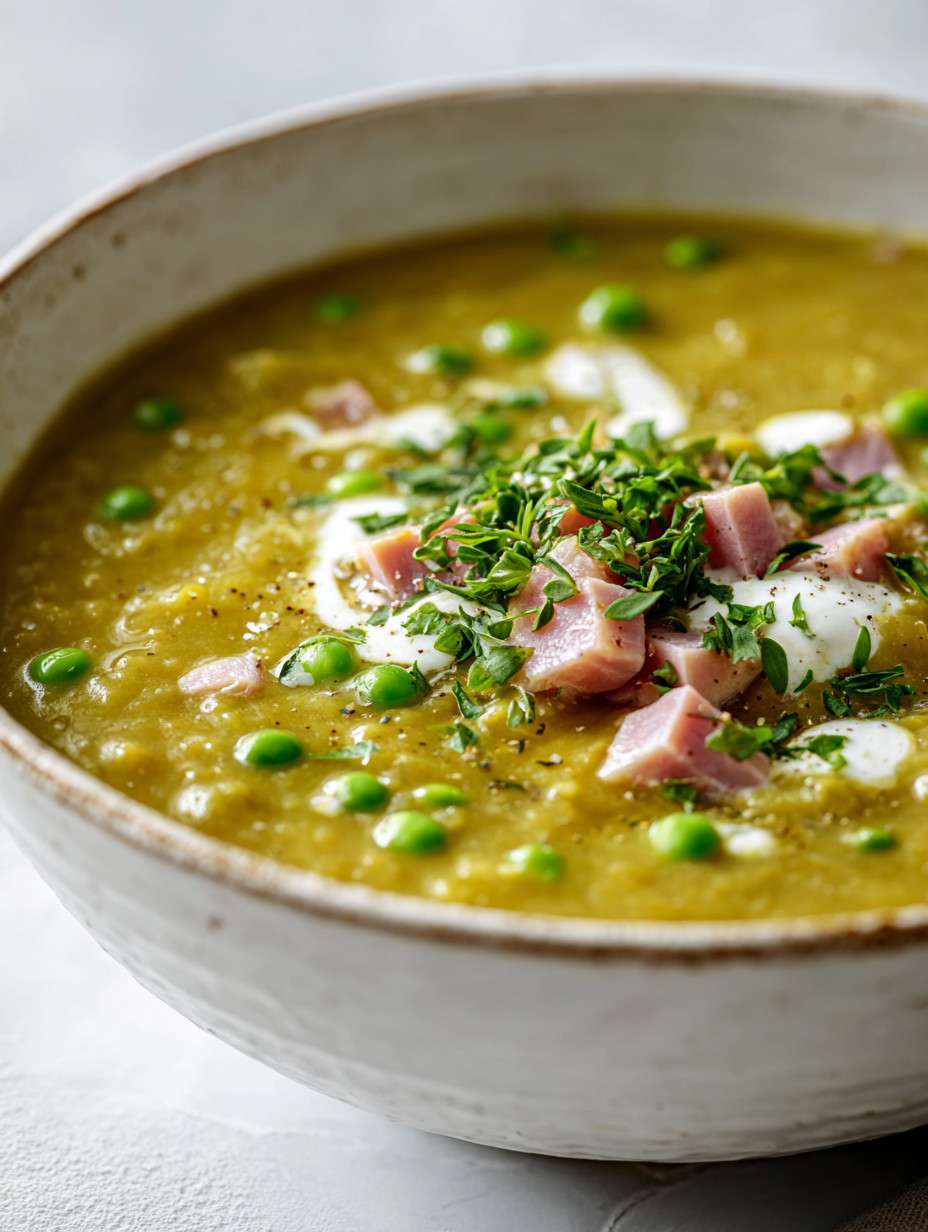
- Let the soup rest for 10 minutes. Adjust seasoning if needed, then ladle into bowls. Serve hot with crusty bread or a sprinkle of fresh herbs.
Let the soup sit off the heat for 10 minutes to meld flavors. Taste and adjust seasoning. Serve hot, garnished with fresh herbs if desired. Pair with crusty bread for a cozy meal.
How to Know It’s Done
- Peas should be fully broken down, with a velvety, thick texture.
- Vegetables should be tender but not mushy, with a slight jiggle when stirred.
- A rich, savory aroma should fill the house, with no raw onion or garlic smell remaining.
Crockpot Split Pea Soup
Ingredients
Equipment
Method
- Start by chopping the onion, peeling and dicing the carrots and potatoes, and mincing the garlic. Rinse the split peas thoroughly until the water runs clear to remove any dust.
- Place the diced onion and minced garlic at the bottom of the crockpot to start building flavor and aroma as they cook down.
- Add the rinsed split peas, chopped carrots, diced potatoes, and diced smoked ham or bacon if using, into the crockpot. Pour in the vegetable broth until the ingredients are just covered.
- Drop in the bay leaves and sprinkle with dried thyme. Season with a little salt and black pepper—start with small amounts to avoid over-salting.
- Cover the crockpot with the lid and cook on low heat for 6 to 8 hours, until the peas have broken down and the vegetables are tender. You’ll notice the house filling with a warm, savory aroma.
- Once cooking is complete, remove the bay leaves. Use an immersion blender to puree part or all of the soup until it reaches your desired creamy consistency. Be careful with the hot liquid—start blending slowly.
- Taste the soup and adjust the seasoning with more salt and pepper if needed. If the soup is too thick, stir in a splash of hot broth or water until it reaches your preferred consistency.
- Let the soup rest for about 10 minutes off the heat to allow flavors to meld. Then, give it a final stir, taste again, and serve hot, garnished with fresh herbs if desired.
Notes
Pro tips for perfect split pea soup
- Bolded Mini-Head: Use the sauté function on your crockpot or a separate pan to build flavor early—your house will smell amazing.
- Bolded Mini-Head: Rinse split peas thoroughly—removes dust and reduces foaming during cooking, keeping your soup smooth.
- Bolded Mini-Head: For extra creaminess, puree part of the soup with an immersion blender—aim for a velvety texture that coats the spoon.
- Bolded Mini-Head: Keep an eye on the liquid level—add more broth if the soup starts to stick or thicken too much during slow cooking.
- Bolded Mini-Head: Season gradually—taste after about 4 hours, then adjust salt and pepper for maximum flavor without overdoing it.
- Bolded Mini-Head: If you prefer a smoky flavor, toss in a small piece of smoked meat or a pinch of smoked paprika early for infused depth.
- Bolded Mini-Head: Let the soup rest for 10 minutes after cooking—this allows flavors to meld and makes it easier to serve without separation.
Common mistakes and how to fix them
- FORGOT to adjust seasoning after cooking? Always taste and season again before serving.
- DUMPED the peas too early? Let them cook until fully broken down for that velvety texture.
- OVER-TORCHED the soup? Reduce heat and stir immediately to prevent burning.
- MISSED removing bay leaves? Always fish out before blending or serving for a clean taste.
Quick fixes and pantry swaps
- When soup is too thick, splash in hot broth and stir until smooth.
- If soup is under-seasoned, sprinkle in more salt gradually, tasting as you go.
- Splash a dash of vinegar or lemon juice to brighten dull flavors at the end.
- Patch a burnt spot by carefully scooping the unburned soup into a new pot—avoid scraping the burnt bits.
- Shield delicate ingredients by adding them later in cooking to prevent over-softening.
Prep, store, and reheat tips
- Chop vegetables and rinse peas the night before; store in airtight containers in the fridge for up to 24 hours. Their fresh aroma and bright colors keep well overnight.
- You can assemble the entire soup in the crockpot the day before, refrigerate, then start cooking in the morning—saving time and mental space. The flavors meld better after sitting, with a slightly richer aroma.
- Leftovers keep in the fridge for 3–4 days; reheat gently on the stove or microwave. The soup thickens over time—stir in a splash of broth or water to loosen, and adjust seasoning as needed. Expect a cozy, velvety texture and warm, inviting smell.
- Freeze in single-serving portions for up to 3 months. Thaw overnight in the fridge or reheat directly from frozen, adding a little broth if it thickens too much. The flavor deepens slightly, with a hearty, comforting aroma.
Top questions about crockpot split pea soup
1. How do I know when the soup is ready?
The soup should be thick and velvety, with peas fully broken down and vegetables tender. It should smell savory and inviting. If it’s too watery, let it cook uncovered a bit longer or mash some peas to thicken. For doneness, check that the peas are soft and have a creamy texture.
2. Can I make this soup vegetarian or vegan?
Yes, you can skip the smoked meat for a vegetarian version. Just add extra herbs or smoky paprika to mimic the smoky depth. The flavor might be a bit milder, but still comforting and hearty.
3. Can I use dried peas that aren’t pre-soaked?
Use pre-soaked split peas for faster cooking if you’re short on time. Rinse them well beforehand. The cooking time will decrease by about an hour, and the texture remains creamy and smooth.
4. When should I season the soup?
Adjust seasoning after cooking. Start with less salt and pepper, then taste and add more if needed. The flavors develop as the soup sits, so it’s best to season gradually and keep tasting until it’s just right.
5. Can I add meat or smoked flavor?
Yes, you can add diced ham, bacon, or smoked sausage during the initial step for extra smoky flavor. If you want a vegetarian version, skip these and consider adding smoked paprika or liquid smoke instead.
6. Should I puree the soup?
Use an immersion blender directly in the crockpot to puree part or all of the soup. Be careful with the hot liquid—start blending slowly and keep the lid slightly ajar to prevent splatters. Pureeing gives a smooth, velvety texture.
7. How long can I store leftovers?
Yes, you can store leftovers in an airtight container in the fridge for up to 4 days. Reheat gently on the stove or microwave, stirring in a splash of broth or water to loosen the texture. The flavors deepen and become more cohesive after resting.
8. What if the soup burns or is too thick?
To fix a burnt bottom, carefully transfer the unburned soup into a new pot, avoiding scraping the burnt bits. For overly thick soup, stir in hot broth or water until it loosens. Adjust seasoning after reheating for best flavor.
9. How do I enhance the flavor?
Using fresh herbs like thyme or bay leaves adds layers of flavor. Dried herbs work too—just add them earlier to allow flavor to develop. Always remove bay leaves before serving to avoid a sharp, woody taste.
10. What’s the best cooking time and setting?
A slow cooker set on low for 6–8 hours gives the best results. If in a hurry, use high for about 3–4 hours, but check that the peas are fully soft and the vegetables are melting into the soup. The aroma should be savory and inviting.
This crockpot split pea soup isn’t just about ease—it’s about those moments of comfort that sneak up when you least expect them. The smell of simmering peas and smoky hints curling through the house can make even the busiest day feel a little slower, a little warmer.
It’s a simple dish that reminds me how good honest ingredients can be, especially when left to do their thing in the slow cooker. No fuss, no stress—just a bowl of something hearty and familiar that’s ready when you are, no matter how chaotic things get outside.